How Sprinkler Fixing Works: Insights Into Common Fixes and Their Value
Lawn sprinkler repair service is an important component of reliable lawn treatment. Recognizing issues such as leaks, misaligned heads, and clogged nozzles can considerably impact water efficiency and plant wellness. Property owners usually neglect the value of normal maintenance. Comprehending exactly how to attend to these common issues can cause far better watering administration. Knowing when to take on fixings independently versus looking for professional assistance is important. What actions should one require to ensure a well-functioning system?
Identifying Usual Sprinkler Issues
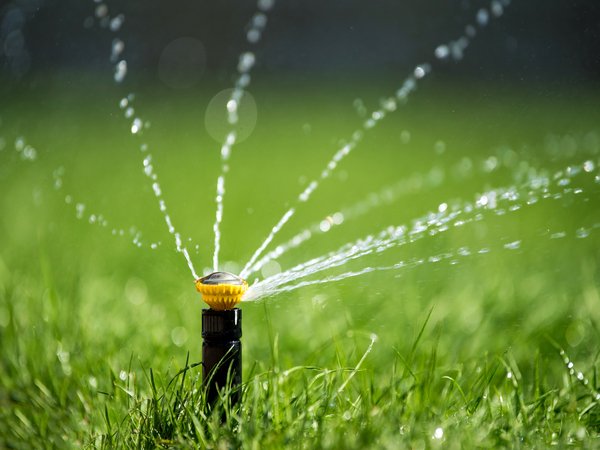 How can property owners efficiently recognize typical sprinkler issues? Homeowners can identify problems by observing their lawn sprinkler throughout procedure. Uneven watering patterns might indicate clogged nozzles or misaligned heads, while brownish patches on grass often signal not enough water distribution. Leaks can be found by merging water around lawn sprinkler heads or along the piping, recommending defective connections or possible breaks. Additionally, a noticeable boost in water costs may hint at hidden leaks or too much water use. Property owners should likewise pay attention for unusual sounds, such as hissing or gurgling, which might point to air in the system or damaged components. Routine examination of timers and controllers is vital, as malfunctioning settings can bring about overwatering or underwatering. By remaining proactive and attentive, home owners can ensure their lawn sprinkler systems operate effectively, preserving a healthy and balanced and lively landscape while saving water sources.
Actions for Fixing Leaks in Your System
Identifying and fixing leakages in an automatic sprinkler is crucial for keeping efficiency and preserving water. The very first action involves visually inspecting the whole system for any type of signs of water merging or damp areas, which might show a leak. Sprinkler Repair. Next off, individuals need to switch on the automatic sprinkler and watch for uneven patterns or missing out on spray, which can also signal an issue
Once recognized, the details location of the leakage must be dug deep into carefully to prevent damaging surrounding elements. Common solutions might include changing broken pipes, tightening up loosened fittings, or using appropriate sealants. After repairs, it is necessary to evaluate the system once more to confirm the leak has been settled.
Routine upkeep checks are recommended to stop future leakages, guaranteeing the automatic sprinkler operates efficiently. By adhering to these steps, home owners can aid safeguard their irrigation system, eventually causing much better water monitoring and decreased expenses.
Readjusting Spray Patterns for Ideal Insurance Coverage
While making sure correct spray patterns is necessary for taking full advantage of watering efficiency, numerous house owners ignore this crucial element of lawn sprinkler upkeep. Readjusting spray patterns enables even distribution of water, making sure every location obtains sufficient protection without wastefulness. Home owners ought to examine their lawn sprinkler heads regularly, as misaligned or clogged nozzles can bring about over-saturated locations or completely dry spots.
To attain optimal insurance coverage, it is necessary to adjust the angle and radius of the spray. This can generally be done by turning the nozzle or utilizing a wrench for more stubborn heads. In addition, homeowners should consider the type of plants in their yard, as different types have varying water requirements. Routinely assessing and fine-tuning spray patterns can substantially boost a landscape's health and wellness and look. Inevitably, diligent interest to these changes can bring about water preservation and a growing backyard.
Relevance of Normal Maintenance
Regular upkeep of automatic sprinkler is important for ensuring their long life and effectiveness, as disregarding this facet can cause expensive repairs and lost sources. Routine checks and adjustments can recognize minor problems before they escalate, such as leakages, stopped up heads, or misaligned spray patterns. By attending to these problems early, home owners can protect against substantial water loss and decrease their energy expenses.
Furthermore, routine upkeep assists optimize the system's efficiency, making certain that every edge of a lawn or garden gets sufficient watering. This not just promotes healthy and balanced plant growth but likewise boosts the general appearance of the landscape.
Regular upkeep can extend the life expectancy of components, minimizing the regularity of replacements and connected costs. Ultimately, spending effort and time into routine lawn sprinkler upkeep pays rewards by promoting a lasting, effective watering system that sustains both environmental conservation and home owners' financial rate of interests.
When to Call an Expert for Repair works
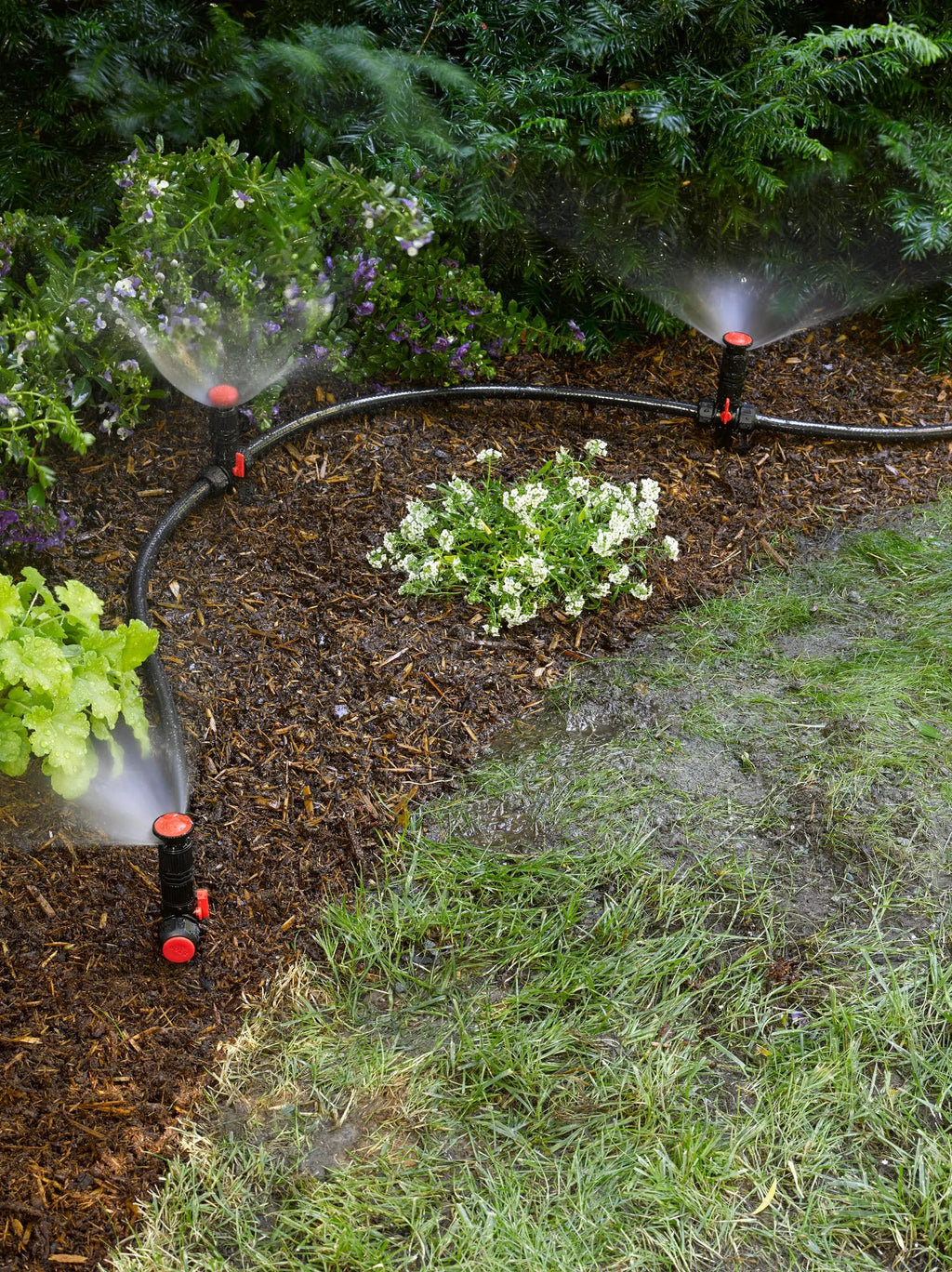
When is it vital to seek specialist help for sprinkler fixings? Home owners should consider calling a professional when experiencing consistent problems that they can not deal with separately. Instances consist of substantial leaks, busted pipelines, or malfunctioning valves that call for specialized devices and knowledge. A professional can perform here a comprehensive inspection to recognize underlying problems if the system is not providing ample water coverage in spite of adjustments. In addition, complex repair services, such as those entailing electrical components or elaborate control systems, commonly demand a trained technician's understanding.
In addition, if a house owner notices unusual water expenses or indications of overwatering, seeking advice from an expert can help prevent long-term damages to both the landscape and the sprinkler system itself. To summarize, when repairs end up being overwhelming or beyond the property owner's capability, it is prudent to engage an expert to ensure the system operates efficiently and successfully
Regularly Asked Inquiries
Just how Typically Should I Check My Lawn Sprinkler for Issues?
It is a good idea to examine a lawn sprinkler for problems at the very least when a month, especially throughout the active expanding period. Routine examinations help identify troubles early, ensuring efficient procedure and protecting against pricey repair work.
Can I Fix My Automatic Sprinkler Without Expert Assist?
Yes, people can repair their lawn sprinkler without expert assistance, offered they have the necessary devices and understanding. Basic issues like clogged heads or broken lines can usually be attended to through do it yourself techniques and on the internet tutorials.
What Tools Do I Need for Fundamental Lawn Sprinkler Repairs?
Standard lawn sprinkler repair services typically require a couple of vital tools: a set of pliers, a screwdriver, an utility blade, Teflon tape, and possibly a replacement sprinkler head or tubes, depending upon the particular concern being attended to.
How Do I Winterize My Sprinkler System?
To winterize an automatic sprinkler, one have to drain pipes water from pipelines, blow out continuing to be moisture utilizing an air compressor, and insulate subjected parts. This avoids freezing and damage throughout cold months, making certain system longevity and performance.
What Are Indicators My Automatic Sprinkler Is Outdated?
Indications of an out-of-date lawn sprinkler include irregular water coverage, frequent malfunctions, noticeable leakages, high water expenses, and older modern technology like rotary heads. If fixings are regular, updating might be needed for effectiveness and performance.
Property owners can determine issues by observing their lawn sprinkler systems during operation. Identifying and fixing leaks in a sprinkler system is essential for maintaining efficiency and preserving water. If a homeowner notifications unusual water costs or indicators of overwatering, consulting a specialist can aid stop long-term damages to both the landscape and the lawn sprinkler system itself. To winterize a sprinkler system, one must drain pipes water from pipelines, blow out staying wetness using an air compressor, and shield subjected components. Signs of an obsolete sprinkler system consist of inconsistent water protection, regular breakdowns, noticeable leakages, high water expenses, and older technology like rotary heads.